

How to Handle Transitions with a Therapeutic Approach
Whether we like it or not, transitions are an inevitable part of life. While adults might feel confident navigating changes, it can be particularly difficult for children in care.
Children and young people in care are likely to have experienced sudden, momentous changes they had no control over; they may have lost contact with familiar places, relationships, and ways of living.
This means that while packing for a holiday might feel exciting for adults, a child may feel afraid about not returning to the foster home. Transitioning back to school after a break might trigger big feelings and stress responses, and moving to a new home could leave children feeling freshly destabilised.
The good news is that therapeutic fostering can help you support children through transitions, no matter how big or small, and in this article, we offer our top tips to help you do it.

Why transitions are hard for children in care
Struggling with transitions is a common impact of early childhood trauma, which touches every part of a child’s well-being, from their emotions and relationships to brain development and behaviour. It is rarely conscious. Many of these children have been let down by the adults they trusted most and have a more sensitive and responsive nervous system, making even small changes to their usual routine feel unsafe and difficult to manage.
As a result, the potential effects of transitions on a child’s life include:
Emotions
Depending on the type of transition, they might feel rejected, abandoned, or lost. The temporary loss of stability could also lead to stress, anxiety, and the display of big emotions as they struggle to process what’s happening.
Alternatively, emotions around big ‘positive’ changes might include pre-emptive guilt and shame or fear of becoming excited in case their happiness is exploited or the ‘positive’ thing is withdrawn.
Behaviour
Some young people might feel drawn to doing risky things, such as using alcohol, as a coping mechanism for overwhelming or confusing feelings. Whereas others might cope by withdrawing from their friends, foster family, and usual activities.
If children feel unable to verbalise their feelings, they might communicate them instead through what they do at home and/or school.
Relationships
Around transitions, some children might become detached from those closest to them to find soothing through a sense of control over the situation.
Or they could become more dependent on others because this is the only way they know how to make a relationship feel safe.
Education
Children’s progress at school could plateau or reverse as they might find it difficult to concentrate and engage during lessons. They could become disruptive in the classroom or struggle to cope with the environment as their nervous system becomes more sensitive.
Alternatively, they may hide in studying and become very preoccupied with achieving certain grades.
Well-being
While a child is going through a transition, their sleeping, eating, and exercise habits could be disrupted, impacting their overall well-being. They might also experience medically unexplained symptoms.
Development
Regular disruption to their routine could affect a child’s overall development. Lack of sleep, healthy nutrition, and physical activity, along with the energy required to manage the other symptoms of the transition, could make acquiring new skills more difficult and lead to developmental regressions.
How to help a child who struggles with transitions
Children healing from trauma need your support through transitions, and here are our top tips to help you do it therapeutically. Identify transitions a child may experience
Identifying the transitions a child may experience can help you plan ahead and be better prepared for any challenges they might bring.
Aside from moving into care, which is one of the most difficult changes your child or young person will experience, here are some other transitions your child could face:
- Moving schools: Going up to secondary or changing schools for another reason.
- Returning to school: After a break from education, school holidays, or illness.
- Moving: To a new foster family or a new home with their current foster family.
- Puberty: Going through the physical, emotional, and social changes of adolescence.
- Leaving care: Going to university, starting work, and learning how to live independently.
- Exams: Revising and completing exams.
- New siblings: Welcoming a new foster sibling into the home.
- Reunification: Moving back home to their birth family.
- Adoption: Meeting and moving in with an adoptive family
- Smaller transitions: Moving from one task to another can be difficult for some children, especially if they are neurodiverse.
- Non-permanent: Holidays, days out, and school trips.
Help your child understand the transition
Sometimes you can’t prevent unexpected transitions for a child, such as when they suddenly lose a loved one. But other transitions are predictable. Helping a child understand the reason for particular changes, prepare, and recognise that we are here to support them can go a long way in helping them process them.
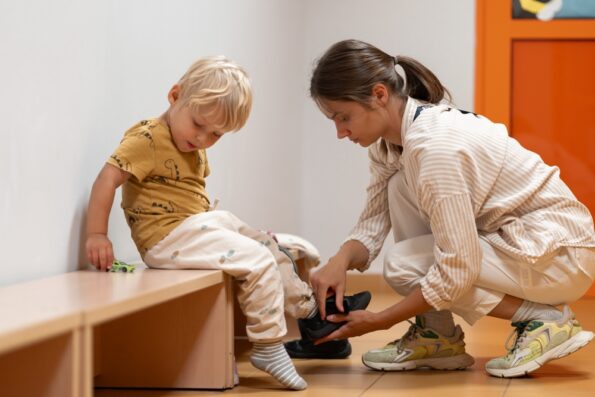
Below are six easy ways to do this:
- Give children plenty of notice: Wherever possible, give children and young people enough time to prepare. Let them talk about and display their emotions, reassuring them that their feelings are valid and that they can lean on you for support.
- Meet children where they are: Tailor your discussion to their developmental age and understanding. Don’t expect them to take it in their stride like you might be able to.
- Let them ask questions: Give them time to ask questions during the conversation and in the weeks that follow.
- Slow down introductions: If you have time, introduce them to the transition slowly. For example, if they’re starting a new school, give them time to meet their teachers, practice the commute, and get to know the school layout.
- Use visuals: If your child is transitioning to a new environment, it might help to show them pictures and videos of it. If they struggle to move from one task to the next, reminding them of the change coming and using a visual timer could make it feel less sudden.
- Make things enjoyable: When appropriate, you could make up a song or a game to help the transition feel more enjoyable to them. For instance, if you’re moving house, you could sing a song about packing to show them that although the transition is hard, it can also be exciting.
Stick to familiar routines
Routines help children feel safe because they provide stability and structure to their day. Sticking closely to a young person’s usual schedule can reduce anxiety during transitions. This could mean implementing the same bedtimes and mealtimes on holiday or sticking to a similar daily pattern during school breaks.
If their routine is going to change permanently due to a transition, help them gradually move on to it. For example, if they wake up at 8.30 but need to be up by 7 to go to school, in the weeks leading up to the change, get them to bed and wake them up slightly earlier each day until they wake up at the required time.
This can prevent the change from feeling sudden and unexpected while giving their body clock time to adjust.
If a child is moving to a new foster home, you can help them by recording their routine so it can continue similarly in their new home.
Help them process their emotions
During transitions, your child will need you more than ever to help them process their emotions and build the resilience they need to manage future change.
This is called co-regulation, which in practice means:
- Regulating yourself: Making sure you feel calm so you can lend your emotional state to your young person through your tone, body language, breath, and heart rate.
- Creating a sense of safety: Change might feel like a threat to their safety, so it’s your job to help them feel secure again by reassuring them, giving them space if needed, avoiding sudden movements, providing choices, and offering a comforting item.
- Validating their feelings: Validating your young person’s emotions helps you stay connected so they feel less alone. It also shows them that you’re trying to understand what they’re going through. In these moments, validation can be as simple as saying, ‘Your feelings make sense.’
- Helping them tune into their body: Help your young person tune into the physical sensations that emerge when they’re feeling overwhelmed and dysregulated. Focusing on these sensations can help ground them by shifting their attention from their emotions to a specific part of their body.
- Redirecting their attention: This can help settle their nervous systems, reduce the intensity of the moment, and teach them self-regulation strategies they can eventually use on their own. This could be grounding techniques or an activity like journalling or art to help them process their emotions.
Give them choices
One of the biggest things children and young people can struggle with when a transition happens is having no control over the situation. Children in care will have more than their fair share of changes like this.
So give them choices. If they’re starting a new school, let them choose a new lunch box. If you’re moving home, encourage them to choose the bedroom décor. If you’re planning a holiday, give them a choice between places A and B, and let them make the final decision.
Not only will this give them a sense of involvement in the transition, but it will also show them that you trust their judgement and can help them feel better about the change. It can also mark this transition as different from ones they may have experienced before, and that can have a soothing impact.
Use comfort items
When change happens, being able to hold something in your hand that smells like home or connects you to the people you love can make things feel a little easier.
This is where comfort items come in. They can help children continue to feel safe and connected by providing familiarity during change.
For example, if they’re moving to a new school, they could take a photo, object or note from you to look at during the day to remind them that you love them and that everything is okay. If they’re moving to a new foster home, a memory book of their time with you gives them something tangible to look at while they settle in. Letting your child or teen choose their object can be extra helpful.
Here to support you
Transitions can be challenging, but when you foster with us, you won’t face them alone.
At ISP, our network of fostering specialists, which includes social workers, therapists, counsellors, education advisors and more, can help you support children in your care through transitions and beyond.
Not only that, but when you foster with us, you become part of our community of foster parents, giving you even more people to lean on and learn from.
If you’d like to learn more about therapeutic fostering, call us today on 0800 0857 989 or submit your details via our online form. Our knowledgeable fostering advisors are ready to answer your questions and help you take your first steps towards becoming a foster parent.
Already fostering?
Whether things aren’t working out with your current agency or you want to hear about the fantastic work we do at ISP using therapeutic fostering, we’d love to hear from you.
Get in touch today and our fostering experts will be on hand to answer your questions.


Education Hub

My child’s been excluded
Don’t worry, you’re not alone. Here’s what you need to do if a child in your care has been excluded from school.

My child won’t go to school
We explore some of the reasons why a child in your care may be refusing to go to school and what you can do to help.

Help your child at school
Our experts provide their advice on ways to help the young person in your care thrive at school.