Supporting Children with Trauma at School: What Teachers and Parents Can Do

Understanding the signs, misconceptions and impact of trauma is an important first step, but what happens next? In part one of this series, we explored how trauma can shape a child’s experience of school. In part two, ISP’s Child and Adolescent Psychotherapist, Joanna Jeske, shares practical ways adults can create the safety, stability and support children need to thrive in education.

For many children who have experienced trauma, school can feel overwhelming. A busy classroom, changes in routine or even returning after school holidays can trigger feelings of anxiety and uncertainty. The good news is that with the right support from teachers, foster parents and other trusted adults, children can feel safer, more confident and better able to learn.
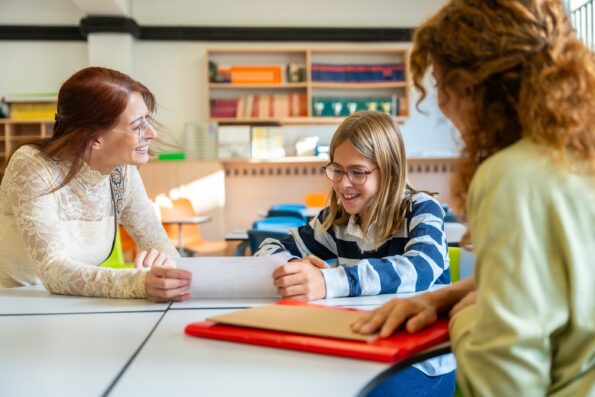
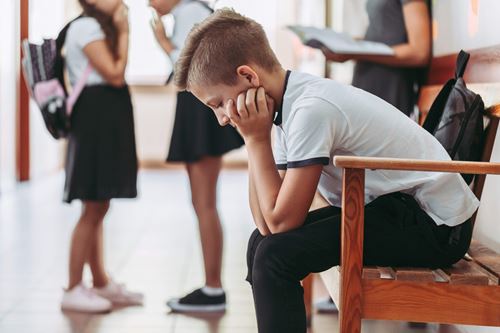
foster child in school

Why School Can Be Challenging for Children Affected by Trauma

Returning to school can be difficult because it often involves separation, change, noise, social demands, uncertainty and a loss of control.

A new school year may bring a different classroom, teacher, timetable or friendship group. For some children, school may also hold memories of bullying, exclusion, academic struggles or feeling misunderstood.

Children who have experienced trauma can find these transitions particularly challenging because their nervous system is already alert to potential threats. Even positive change can feel overwhelming when a child has learned that good things do not always last.

For children in foster care, or children who have experienced separation and loss, school transitions can also stir up deeper feelings around belonging, relationships and uncertainty about what comes next.

How Trauma Can Affect Learning and Behaviour

The effects of trauma on learning can be significant. Trauma can affect far more than a child’s behaviour.

Many children who have experienced trauma find it harder to concentrate, regulate their emotions, build trusting relationships and fully engage with learning. Some may struggle to focus because they are constantly scanning their environment for potential threats. Others may find it difficult to remember information, follow instructions or retain new learning when they feel overwhelmed.

Trauma can also affect emotional regulation and classroom participation. A child may become withdrawn and disengaged, while another may appear restless, disruptive or quick to react. In many cases, these behaviours are signs that the child is struggling, rather than choosing to misbehave.

When children feel safe, supported and know what to expect, they are often better able to engage with learning and build positive relationships. This is why routine, predictability and consistent support can make such a significant difference.

Why Do Some Children Mask Their Difficulties at School?

Many children who have experienced trauma, including many children in foster care, mask their difficulties at school and then release their distress when they get home.

For example, a child may appear calm throughout the school day but become tearful, angry or withdrawn once they get home.

This can be confusing and exhausting for parents, but it often means the child has spent the day working very hard to hold everything together.

Adults can help by gently making links between feelings, body language and events. Over time, this can help children develop greater awareness, self-compassion and choice.

Why Routine and Predictability Matter

Trauma often leaves children feeling that the world is unpredictable. Clear routines and consistent expectations can reduce uncertainty and help children feel safer.

When children know what is happening now, what is happening next and what will happen if something goes wrong, they are often calmer and better able to engage with learning.

Helping Children Through School Transitions

School transitions can be particularly challenging for children who have experienced trauma because they often involve change, uncertainty and unfamiliar situations.

Visual timetables, transition warnings, repeated classroom rituals and clear expectations can all help. Structure should not feel rigid or punitive. The aim is to reduce anxiety, not control every part of the child’s day.

Teachers should also be mindful of transitions such as:

  • Staff sickness
  • Half-term breaks
  • Changes to seating plans
  • School trips
  • Supply teachers
  • Timetable changes
  • The end of term

Even small changes can feel significant to a child whose nervous system is already on high alert. Preparing children in advance, explaining what will stay the same and offering a clear support plan can make transitions feel more manageable.


What Does a Trauma-Informed Classroom Look Like?

Trauma-informed classrooms are a key part of trauma-informed schools, where staff understand how trauma can affect learning, behaviour and relationships. They are calm, predictable and relational spaces, with clear routines, consistent expectations and adults who understand that behaviour is communication.

Joanna Jeske, ISP’s Child and Adolescent Psychotherapist, highlights the importance of looking beyond a child’s behaviour to better understand what they may be experiencing.

Joanna encourages adults to focus on:

  • Connection: Helping children feel safe enough to engage.
  • Communication: Listening, noticing and helping children feel understood.
  • Relatability: Building trust, repairing relationships and continuing to show up.

Children are not excused from responsibility, but adults should try to look beneath behaviour and ask, “What might this child be finding difficult?” rather than only asking, “How do we stop this behaviour?”

In practice, this may include:

  • Visual structure
  • Calm transitions
  • Safe spaces
  • Sensory tools
  • Private check-ins
  • Flexible seating
  • Emotionally regulated adults
  • Repairing conversations
  • A strong emphasis on belonging

A trauma-informed classroom combines warmth with structure, curiosity with boundaries and nurture with high aspirations.

The Building Blocks of Trauma-Informed Practice

Joanna describes trauma-informed practice as working across three connected levels:

Reflexive – Looking at Ourselves: This means noticing our own thoughts, feelings and reactions. Adults can ask themselves, “Am I calm enough to help this child right now?”

Intersubjective – Understanding the Relationship: This focuses on what is happening between the child and the adult. It encourages adults to think about how the child might be feeling and what they need to feel understood and supported.

Systemic – Looking at the Bigger Picture: This means considering the wider environment around the child. Routines, school policies, physical spaces and the responses of adults can all influence how safe and supported a child feels.

Together, these three levels help adults think about the child, the relationship and the environment around them, creating a more supportive approach to care and education.

How Teachers Can Support Children Affected by Trauma

Teachers can make a significant difference to children and young people living with trauma through small, repeated moments of safety.

This might include:

  • Greeting the child warmly
  • Using their name
  • Noticing effort
  • Preparing them for changes
  • Giving clear instructions
  • Offering calm reminders
  • Using private correction rather than public criticism

These moments may seem small, but for a child who expects rejection or criticism, they can be powerful.

Giving children small choices can also help restore a sense of control. For example, they might choose where to sit, which task to begin with or whether they would like support now or in a few minutes.

The Importance of Calm, Regulated Adults

Predictable, emotionally calm adults are often more powerful than any individual strategy.

A teacher’s ability to stay regulated is especially important when supporting children affected by trauma. Staff also need support from the wider school system, so they are not expected to manage complex distress alone.

Using Boundaries and Consequences Effectively

Children still need consequences and boundaries, but these should be calm, proportionate and focused on repair. The message should be, “This behaviour is not okay, and I am still here to help you make it right.”

Some children can use the right words after an incident but still lack the regulation skills to respond differently next time. For this reason, repair should include reflection, support, guidance and opportunities to practise new responses.

What to Avoid

Schools should avoid:

  • Assuming a child has fully understood or processed an incident simply because they can talk about it later
  • Shaming, threatening or humiliating a child
  • Publicly confronting a child, which can increase feelings of shame
  • Withdrawing relationships as punishment
  • Using phrases that can increase shame and make behaviour worse, such as:
    • “You’re doing this for attention”
    • “You’re choosing to be difficult”
    • “What’s wrong with you?”
    • “You know better than this”

Even when adults are frustrated, these responses can reinforce a child’s belief that adults are unsafe or rejecting.

How Foster Parents Can Help

Foster parents play an important role in helping children feel safe, prepared and supported throughout the school day. For many foster children in school, consistent routines at home and strong communication between parents and teachers can help education feel more predictable and positive.
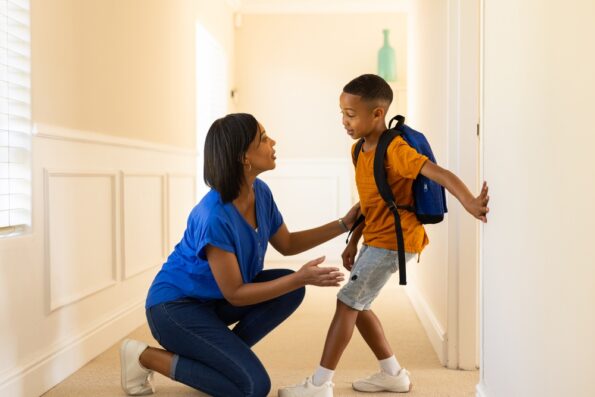
Transitions in foster care

Before the School Day

Preparing for school in advance can reduce uncertainty and help children start the day feeling calmer. This may include:

  • Talking through what the school day will look like
  • Preparing uniform and bags the night before
  • Practising the morning routine
  • Looking at photos of key adults or classrooms
  • Using a visual plan or simple checklist

It is also important to make space for mixed feelings. Rather than reassuring a child with “You’ll be fine”, adults can say, “It makes sense that going back feels big. We’ll take it one step at a time”.

Working with Schools

Open communication between home and school can help adults respond consistently to a child’s needs.

If a child is struggling, it can be helpful to let school staff know in advance. Simple support plans, such as a key adult greeting the child, a quieter arrival point or a regular check-in, can help school feel less overwhelming.

After School

Many children need time to decompress after managing the demands of the school day. Some children benefit from:

  • A snack and drink
  • Quiet time
  • Movement or sensory play
  • Time with a trusted adult
  • A familiar after-school routine

A simple routine, such as snack, rest, then homework or play, can help children settle and transition more comfortably from school to home.

Supporting a Child When They Become Dysregulated

When a child is dysregulated, the adult’s first job is to reduce pressure and demands. This usually means using fewer words, lowering the emotional intensity, slowing down and avoiding public confrontation.

A calm voice and simple language are often more effective than lengthy explanations. Teachers can say things like, “I can see this is hard. I’m going to give you a minute” or “You’re not in trouble right now. We need to help your body calm first”. Reflection and consequences can come later, once the child’s thinking brain is back online.

In the moment, adults should prioritise safety, dignity and emotional regulation. The aim is not to win the interaction. The aim is to help the child return to a state where they can think, listen, repair and learn.

Grounding Techniques Children Can Use in School

There is no ‘one-size-fits-all’ strategy. Grounding techniques work best when they are simple and practised before the child is distressed. It’s about discovering what’s best for the child through trial and error.

Children can try:

  • Pressing their feet into the floor
  • Naming five things they can see
  • Holding a textured object
  • Taking slow breaths
  • Sipping water
  • Biting on a tangy or sour dried fruit
  • Pushing their hands against a wall
  • Noticing the chair supporting their body

Movement can also help some children regulate their emotions, particularly those who need sensory input or tend to shut down. Strategies such as stretching, wall pushes, walking or using a sensory tool can be effective when they are realistic within the school day.

Different children will need different approaches. The most effective strategies are developed with the child, practised when they are calm and used without shame when they begin to struggle.

How Co-Regulation Helps

Co-regulation for foster children means lending a child a calmer nervous system through tone of voice, facial expression, body posture, pace and emotional steadiness.

A child who is overwhelmed cannot always calm down simply because they are told to. They also cannot easily regulate in front of an adult who is dysregulated.

Effective co-regulation involves:

  • Staying nearby without crowding
  • Speaking gently (or just offering their presence without words)
  • Offering simple choices
  • Communicating safety

The adult’s message is, “I am not frightened of your feelings. I can help you get through this”. Over time, repeated co-regulation helps children internalise those calming experiences.

Co-regulation does not mean being permissive or allowing unsafe behaviour. It means holding boundaries while remaining calm and emotionally available.

For example, “I won’t let you hurt anyone. I’m going to move this chair and give you some space. I’m still here.” A combination of firmness and calm is often what helps children feel safest. It’s all about connecting before correcting.

When Should a Child Be Referred for Additional Support?

A referral should be considered when distress is persistent, escalating or significantly affecting the child’s learning, relationships, attendance, sleep, mood or safety.


Quick guide: If a child’s distress is becoming difficult to manage safely and consistently, it may be time to seek additional support.


Concerns should be taken seriously if a child is:


  • Regularly shutting down
  • Becoming aggressive
  • Self-harming
  • Talking about wanting to die
  • Showing sexualised behaviour
  • Frequently running away
  • Appearing highly anxious or depressed
  • Showing sudden changes in behaviour
  • Experiencing unexplained regression
  • Reporting repeated physical complaints
  • Refusing school
  • Experiencing significant changes in peer relationships

It is important for adults to seek support when they feel stuck, worried or unsure about how to respond safely. Children do not need to reach crisis point before help is offered. Early support can prevent difficulties from becoming more entrenched and help the adults around the child respond in a more joined-up way.

How ISP Supports Children Affected by Trauma in Education

At ISP, we believe every child deserves the opportunity to feel safe, supported and able to succeed at school. Through our approach of therapeutic fostering, we place children and foster families at the centre of a wider support network, helping them build confidence, develop positive relationships and engage with learning.

A Therapeutic Approach to Fostering

The effects of trauma look different for every child, which is why support is tailored to their individual experiences, strengths and needs.

Depending on the child, this may include:

  • Therapy
  • Occupational therapy
  • Family support
  • CAMHS involvement
  • Educational psychology
  • Speech and language therapy

Alongside specialist support, children often benefit from the consistent presence of caring adults who understand their experiences and work together to help them succeed. Through ISP’s Foster Parent Training, foster parents are supported to develop the knowledge, skills and confidence needed to care for children who have experienced trauma.

Educational and Therapeutic Support

Education plays an important role in helping children recover from trauma, and understanding the relationship between childhood trauma and education is central to the support we provide at ISP.

Our dedicated education team works alongside schools, foster parents, therapists and social workers to remove barriers to learning and help children achieve their potential.

Many children find it easier to engage in education when their emotional wellbeing is supported alongside their learning needs. Therapeutic support can help children strengthen emotional regulation skills, build trusting relationships and feel more confident in school.

Our wider support for children is designed to help young people feel safe, understood and able to thrive both in and beyond the classroom.

Working Together Around the Child

The most effective support is often joined up. Teachers, foster parents, therapists, social workers and other professionals all play an important role in helping children.

At ISP, we believe every child deserves to feel safe, supported and able to reach their potential at school. Through therapeutic fostering and a network of specialist support, we help children, foster parents and professionals work together to overcome challenges and build positive educational experiences.

Alongside our support for children, we also provide dedicated support for foster parents, helping families feel confident as they navigate challenges together.

If you’d like to learn more about becoming a foster parent, transferring fostering agency or the support available through ISP, explore our therapeutic fostering resources or get in touch with our team.


Read more…

Supporting Children with Trauma at School: Signs, Misconceptions, and Impact

Trauma affects a child’s whole life, from brain development and cognitive functioning to behaviour, emotions, and relationships. This can make school a tricky environment for them to navigate.

Helping children in care do their best at school is a collaborative effort that starts by understanding what trauma looks like in an educational setting, the misconceptions teachers can have, and how trauma responses can differ depending on the child’s age.

This is part one of our two-part series, featuring insights from our in-house Child and Adolescent Psychotherapist, Joanna Jeske, who explores how trauma can affect children at school and the ways teachers and parents can support them.

What are the signs of trauma in children at school?

Trauma in school-aged children does not always look like the things we commonly associate with the word, such as sadness, fear or visible distress.

Childhood trauma affects the nervous system, attention, memory, relationships and the child’s sense of safety. This means a traumatised child may struggle to learn not because they are unwilling, but because their brain is prioritising survival over curiosity, exploration, joy, concentration and problem-solving. When a child’s nervous system is on high alert, learning becomes much harder.

It is also helpful to distinguish between acute trauma and developmental trauma.

Acute trauma

Acute trauma may follow a single frightening or overwhelming event, such as an accident, assault, bereavement or sudden loss.

Developmental trauma

Developmental trauma tends to come from repeated or prolonged experiences of fear, neglect, unpredictability, separation, abuse or emotional unavailability, especially within important caregiving relationships.

Developmental trauma often shows up less as one clear “reaction” and more as a pattern of survival strategies and adaptations.

Sometimes it looks like:

  • Anger
  • Avoidance
  • Restlessness
  • A strong need for control
  • Shutting down
  • Perfectionism
  • Clinginess
  • Silliness
  • Defiance
  • Emotional outbursts that seem “too big” for the situation.

A child may appear physically present in the classroom but emotionally preoccupied, watchful, zoned out or disconnected. These responses may once have helped the child stay safe, get attention, avoid danger, reduce shame or manage overwhelming feelings.

How trauma in children can manifest in the classroom

In the classroom, trauma often shows up as:

  • Difficulty concentrating
  • Becoming overwhelmed quickly
  • Reacting strongly to small changes
  • Struggling with transitions
  • Avoiding work
  • Needing to be in control

Some children may become loud, disruptive, oppositional, or show sudden changes in mood or behaviour, while others may become quiet, withdrawn, compliant or hard to reach.

Teachers may also notice difficulties with peer relationships, sensitivity to perceived criticism, a strong fear of getting things wrong, or intense reactions to being corrected. A child may seem “fine” one moment and completely dysregulated the next, especially when they feel embarrassed, unsafe, excluded, overstimulated or powerless.

Recognising survival behaviours

It is important to remember that many of these behaviours were once adaptive. They may have helped the child survive unsafe, unpredictable or frightening environments.

The same behaviours that once protected the child can later be experienced by adults as difficult, challenging or unwanted in the classroom. A trauma-informed approach helps adults ask not only, “What is the behaviour?” but also, “What might this behaviour be trying to manage or protect?”

Trauma and sensory integration

It’s also worth adding that many children with developmental trauma, particularly where there has been early neglect, may also struggle with sensory integration.

This means their nervous system may find it difficult to organise and respond to sensory information in a supportive, settled way. A noise that seems small to an adult, such as a chair scraping, a sudden shout, a busy corridor or the general hum of the classroom, may trigger the child’s fight-or-flight response.

Schools are, by their nature, busy and noisy places with a lot happening at once, so the sensory environment can significantly contribute to a child’s distress or difficulty managing the school day.

Signs a child might be struggling with trauma

Every child and young person is different, but signs they are struggling with trauma might include changes in:

Behaviour
Mood
Sleepiness
Attendance
Concentration
Confidence
Friendships


A child who previously managed school well may start refusing to come in, becoming tearful, complaining of stomach aches or headaches, or struggling with separation from a parent or carer.

In cases of acute trauma, these changes may appear quite suddenly after a frightening or overwhelming event.

Indicators of developmental trauma

With developmental trauma, the signs may be less sudden and more woven into the child’s everyday ways of coping.

A child may be unusually:

  • Watchful
  • Jumpy
  • Irritable
  • Controlling
  • Withdrawn
  • Easily startled

Trauma and regression

Some children may regress and appear younger than their age. They may need more:

  • Reassurance
  • Struggle with toileting
  • Become clingy
  • Lose skills they previously had
  • Seem more dependent on adults than before.

These responses may be survival strategies that helped the child manage earlier experiences of fear, unpredictability, neglect or loss.

Trauma and compliance

Schools should also be mindful of children who try very hard to please everyone. These children may:

  • Behave well
  • Achieve good results
  • Appear helpful, but adults may notice anxiety underneath.
  • Struggle to relax
  • Find it hard to have their own hobbies
  • Avoid age-appropriate friendships
  • Prefer adult company
  • Feel more comfortable with younger children

Compliance can sometimes hide distress just as much as disruptive behaviour can.

‘Bad behaviours’ that are actually trauma responses

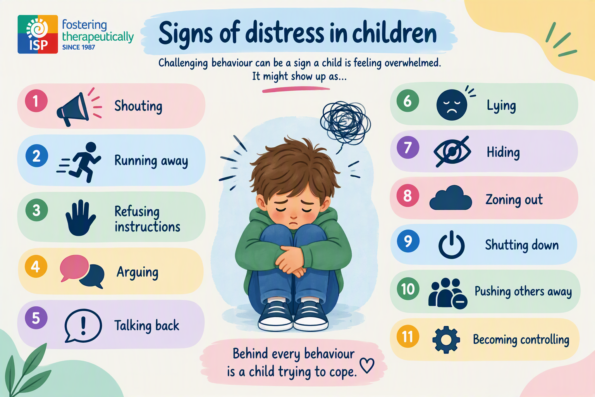
Trauma response behaviours can often be wrongfully identified as ‘bad behaviours’; these can look like:

  • Shouting
  • Running away
  • Refusing instructions
  • Arguing
  • Talking back
  • Lying
  • Hiding
  • Zoning out
  • Shutting down
  • Pushing others away
  • Becoming controlling
trauma responses


These behaviours can look like deliberate defiance, but they may be the child’s attempt to protect themselves from feeling unsafe, ashamed, trapped or overwhelmed. It doesn’t matter if the threat is perceived or real.

For example, a child who refuses to start their work may not be lazy; they could be frightened of failure. A child who argues with every adult may be trying to avoid feeling powerless. And a child who laughs when being told off may not find it funny; they may be anxious, embarrassed or disconnected from what they are feeling.

This does not mean that adults ignore behaviour or remove all expectations. It means they should respond with curiosity as well as boundaries. A trauma-informed response might sound like, “This behaviour is not okay, and I want to understand what happened so we can help you manage it differently next time.”


Not every behaviour is trauma

At the same time, it is important not to put every behaviour into a “trauma” box. Children’s behaviour can have many influencers, including neurodivergence, communication needs, sensory differences, learning difficulties, physical discomfort, tiredness, hunger, etc.

A trauma-informed approach does not mean assuming everything is trauma. It means staying curious about what might be underneath the behaviour before deciding how best to respond.

How do trauma responses differ by age?

Early years

In early years, trauma often shows through the body and behaviour.

Children may have periods of:

  • Intense emotional and behavioural distress
  • Separation anxiety
  • Sleepiness
  • Toileting difficulties
  • Clinginess
  • Aggression
  • Sexualised behaviour
  • Repetitive play
  • Difficulty settling

They may not have the words to explain what they feel, so distress comes out through movement, crying, avoidance or play themes.

Primary years

Primary-aged children may show trauma through:

  • Difficulties with friendships
  • Emotional regulation
  • Attention
  • Learning and transitions
  • They might also become:
  • Controlling
  • Perfectionistic
  • Angry
  • Withdrawn
  • Overly compliant

They may find change particularly difficult and could need a lot of reassurance from adults, even when the situation appears ordinary or low risk. They might also regress to a younger developmental age (e.g. there might be wetting, talking in ‘baby-voice’ or clinginess).

Teenagers

Teenagers may present with:

  • Risk-taking
  • Unsafe sexual activities
  • Self-harm
  • Substance use
  • School refusal
  • Detachment
  • Anger
  • Numbness
  • Anxiety
  • Depression
  • Difficulties trusting adults

In teens, trauma can sometimes be hidden behind humour, avoidance, bravado or apparent indifference. Adults may see a young person who “doesn’t care”, when underneath there may be shame, fear, grief or a belief that adults cannot be trusted.

How to help a child with trauma in school

The school’s role in supporting children and young people living with trauma starts by building relational safety.

Children who have experienced trauma need to feel that adults are predictable, emotionally steady and genuinely interested in understanding them. This does not mean having no boundaries. It means boundaries are held with calmness, clarity and care.

Relational safety also helps build epistemic trust. This means the child begins to experience adults as people who may have something useful, safe and relevant to offer. Many traumatised children have learned not to trust adults’ intentions, words or guidance. They may assume adults will shame them, reject them, misunderstand them or let them down. Before they can learn from adults, they often need repeated experiences of adults being reliable, fair and emotionally safe.

A child is more likely to learn, reflect and repair when they feel safe with the adults around them.

Schools should focus on building trusted relationships where the child knows: “This adult will not humiliate me, give up on me, or become frightening when I struggle.” Over time, this kind of relationship can become the foundation for learning, emotional regulation and change.

What else can teachers and parents do?

Understanding what trauma is, how it affects a child or young person, the ways it reveals itself in the classroom, and the importance of building safe, stable relationships is the first step towards providing the support children in your care need.

In part two, we take a closer look at the practical ways teachers and foster parents can help young people living with trauma not only survive in the school environment, but thrive.

Read more…

What to Do if Your Foster Child is Bullied at School

Schools are supposed to be a safe space for children to learn, make friends, and dream about the future. But school is also the place where young people are most likely to meet their bully.

According to data published by the Office for National Statistics, 70% of children aged 10-15 who have experienced in-person bullying and 19% who’ve been victims of cyberbullying know the person from school.

But as a foster parent, what can you do about it? From the various types and signs of bullying to addressing it with the school and supporting your young person, join us as we explore bullying and what you can do to make it stop.

What does bullying at school look like?

Bullying can take many forms; sometimes it’s obvious, and other times it can be more subtle. But what they all have in common is the purpose – an intent to intimidate, humiliate, control, or hurt another individual perceived to be less able to defend themselves.

Children can be victims of one type of bullying or a combination of a few. Here they are in more detail:

  • Physical: Using violence such as kicking, pulling hair, or damaging another child’s belongings.
  • Emotional: Using manipulation, humiliation, criticism or exclusion to erode someone’s self-esteem.
  • Verbal: Using words to cause harm, such as name-calling, teasing, insults, and threatening language.
  • Social: Using social situations to isolate a person, such as exclusion, embarrassing someone in public, and starting malicious rumours.
  • Cyberbullying: Using social media, games consoles and other web-based forums to cause harm, such as sending hateful messages, sharing another child’s images without consent, and spreading rumours.


What are the signs of bullying at school?

According to the Anti-Bullying Alliance, children in care are twice as likely to be a victim of bullying in primary school and four times as likely to be a victim of bullying in secondary school.

Many children in care are living with trauma and complex needs, which can sadly make them a target for bullying. This means, as a foster parent, it’s vital to be aware of the signs that your young person is experiencing bullying, so you can act quickly and mitigate the damage it can have on their well-being.

Here are the telltale signs that your foster child could be a victim of bullying at school:

  • Injuries: They have unexplained injuries, such as bruises, cuts, or scratches. They may try to cover them up or become defensive when you ask about them.
  • Damaged or missing belongings: Has their brand-new backpack been mysteriously broken? Or their favourite pencil case vanished into thin air?
  • Social withdrawal: They may become withdrawn, preferring to stay in their room and refusing to socialise.
  • Sudden behavioural changes: They appear stressed, angry, irritable or have outbursts of emotion.
  • Changes in eating habits: They might struggle to eat or consume more than usual.
  • Sleep issues: They struggle to fall asleep, wake up more frequently during the night, or have nightmares.
  • School refusal: They have big feelings about attending school, feign illness, or try to delay going to school by taking longer to wake up, get dressed, and eat breakfast.
  • On edge: They jump, hide their phone, or seem upset when they receive a notification on their phone.
  • Disclosure: They might tell you they’re experiencing bullying or describe a situation that sounds like bullying.
  • Self-harm – In extreme cases, your young person may talk about harming themselves or actually try to harm themselves. In this case, you’ll need to intervene immediately. Mind has lots of guidance and resources about why young people self-harm and how to help them.

How to deal with bullying at school

If you notice any of the above signs that the child in your care could be a victim of bullying, it’s important to act immediately to prevent persistent bullying, which could add to their trauma and impact their healing. Here are some steps you can take to support them.

Talk to your foster child 

It may seem like an obvious thing to do, but talking to your young person about bullying isn’t as simple as just asking them ‘Are you being bullied?’ 

Your young person may not recognise their peer’s behaviour as bullying, or could be worried about the ramifications of letting you know, in case their bully(s) find out and things get worse. They may also struggle to open up about their experiences because their past has taught them that it isn’t safe to do so.  

You know the child in your care best, so approach the topic in a way that works for them. For example, you could use open questions like ‘How are things going at school?’ or ‘What are your relationships like with other students?’  

Pick an appropriate time to raise the issue, so it feels more natural and less intense for the child, such as while they’re engaged in another activity, such as drawing, playing, or cooking.  

If your young person does open up and tells you they’re being bullied, or about a situation that sounds like bullying, reassure them that it’s not their fault and you’ll do everything within your power to stop it from continuing.  

Keep a record of bullying 

Part of the role of a foster parent is to keep records, which include logging changes in behaviour, mood, and well-being.  

You should also record incidents of bullying, whether they’ve been reported to you directly from the child, a witness, or you’ve noticed something yourself.  

Your bullying log should include the date and time of each incident, what happened and the impact it has had on your young person. This will serve as essential evidence when you report bullying to the school.  

Report bullying to the school 

What is the school’s role in supporting looked-after children with bullying?  

Schools have a responsibility to safeguard children in care and ensure they receive the support they need to thrive in an educational setting. This includes taking reasonable steps to prevent and tackle bullying.  

If the child in your care is experiencing bullying, contact the school and ask for a copy of their anti-bullying policy, which every school is legally required to have. Some schools also provide a link to this policy on their website. It should explain how to report bullying, the investigation process, and the steps the school will take to address the situation.  

You can then:  

  • Report the bullying to the school’s Designated Safeguarding Lead or Designated Teacher for Looked After Children.  
  • Request a meeting to discuss the situation, where you can explain what has happened, when the incidents occurred, and how it has affected your foster child.  
  • Ask for a reasonable timeframe for action and agree on when you’ll follow up.  
  • Escalate the issue if you aren’t satisfied with the outcome, or if the bullying continues or gets worse. You can ask to speak to another senior member of staff or request support from the Virtual School Head to advocate on behalf of your young person.  

Remember to make notes of what was said, along with the date, time, and the person you spoke to. You should also inform your supervising social worker and your young person’s social worker, who can help report the issue and make a plan to stop the bullying.   

Provide emotional support  

For children in care who’ve experienced abuse, neglect, the death of a parent, or another adverse childhood experience, the world can feel like a scary and uncertain place, even without bullying.  

But when bullying does happen, it’s even more important that children feel safe, loved and understood at home. They’ll need your emotional support and guidance to ensure bullying doesn’t impact their healing from trauma. 

You can help your young person through this difficult time by: 

  • Reassuring them that it’s not their fault they’re being bullied and making sure they understand the steps being taken to stop it from continuing.  
  • Encouraging them to make friends outside of school – for example, by attending ISP events where they can share experiences with children who truly understand what it’s like to be in care and living with trauma.  
  • Limiting their time on devices, such as phones, tablets and laptops, if they’re experiencing cyberbullying, and teaching them how to block and report people to protect themselves from harmful content and messages. 
  • Using PACE parenting – a therapeutic approach that helps you nurture your relationship with the child in your care, helping them feel safe, understood, and valued just the way they are when they’re at home, away from bullies, in their safe place.  
  • Helping them personalise their bedroom with things that bring them joy and a sense of peace, so when they get home from school, they can unwind.  
  • Spending quality time together doing activities they love, such as baking, sports, or watching their favourite TV show.  
  • Sharing your experiences of bullying or difficult situations so they feel less alone and know that it’s safe to share their thoughts and feelings too.  

Lean on ISP’s Therapeutic support

At ISP, our wrap-around support means you’ll never have to face the issue of bullying alone. From therapists and advisory teachers to social workers and fostering advisors, we are here to advocate for your young person’s well-being alongside you.

When you foster with us, you’ll also enrol on our therapeutic pathway training programme, which will give you specialist skills and knowledge to not only care for children living with trauma but to help them heal from their experiences and build a brighter future.


Start your therapeutic fostering journey today

Ready to start your fostering journey? Call us on 0800 0857 989 or submit an enquiry form to take your first step to becoming a therapeutic foster parent and make a real difference in the lives of children and young people in care.

How To Support A Childs Transition To School