
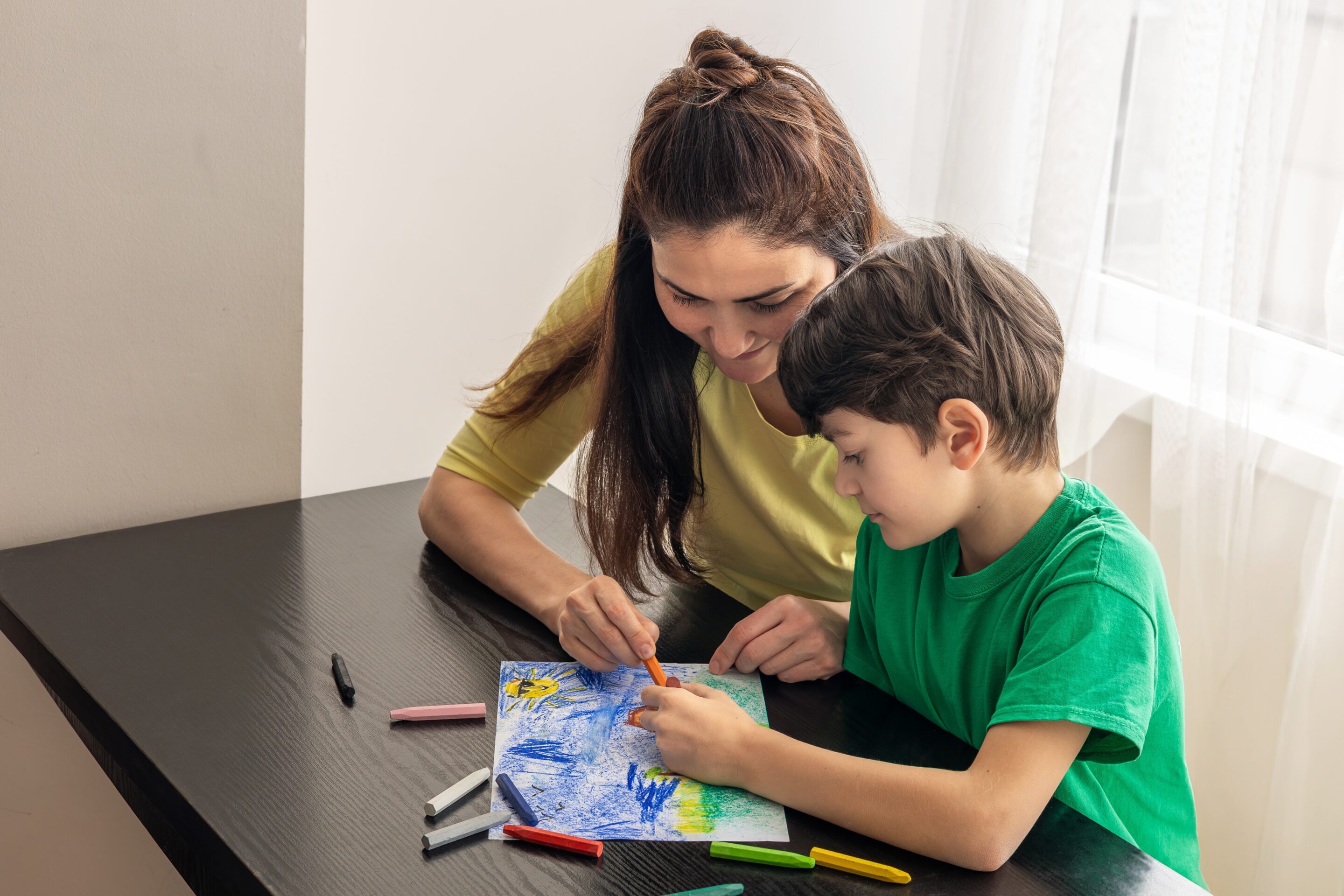
From trauma to trust
Building strong attachments in foster care
Relationships are at the heart of therapeutic foster care. They help children and young people who’ve been let down by those they trusted most, learn to trust again and build new healthy connections – something that will benefit them for the rest of their lives.
After all, everyone wants to feel like they have someone to turn to when they need it, but it can be difficult for children in care to allow others to connect with them because their experiences have taught them it isn’t safe.
So, how do you build a strong attachment with the child in your care? Join us as we explore why attachments matter, how trauma impacts relationships, and steps you can take to build trust and strengthen your bond with your young person.
Why attachments matter in foster care
Childhood trauma and attachment are closely linked because, when we’re born, we rely on our primary caregivers to teach us about the world, including how to relate to others. Through these fundamental relationships, we develop our attachment style.
Children who grow up in an environment where they receive consistent love, care, and attention are more likely to develop a secure attachment style. Their caregivers have been present and met their physical and emotional needs, which encourages them to explore the world because they know they have a safe place to return to if things feel a little scary or hard.
However, when a child has endured prolonged abuse or neglect at the hands of their caregivers, they may develop an insecure attachment style. They might feel unsafe in relationships because they were never able to rely on their primary caregivers to take care of their emotional and physical well-being. As a result, it may make it more difficult for them to explore the world without a refuge to return to for comfort or support.

How does an insecure attachment style impact behaviour?
Young people with an insecure attachment style have usually had to adapt their behaviour to survive their experiences. When these young people move into care, they are likely to continue using the same behaviours for some time because they’ve developed unconsciously during a period of rapid brain development and offer a sense of safety.
In the foster home, insecure attachment behaviours can look like:
- Struggling to find emotions for those who caused their trauma.
- Being people-pleasers and changing their behaviour to suit what they believe the people around them want.
- Distancing themselves from others and avoiding connection to protect themselves from harm.
- Rejecting care but providing care for others because being in control is safer than being vulnerable.
- Exaggerating or amplifying their distress, which evokes strong emotions in the adults around them.
- Difficulty seeing others’ perspectives.
- Relying heavily on their feelings to analyse situations.
- Being anxious and clingy.
- Relying on constant reassurance to feel safe.
- Finding comfort in teachers and older children.
When you build a strong attachment with your foster child, you can teach them how to trust others after trauma.
You’ll provide them with the foundation that they missed out on before – a relationship of trust, love, and consistent care that will help them form healthy connections as they get older.
How to build trust after trauma
Strong attachments are built on trust, but how do you form a relationship with a child whose experience of trauma makes it difficult for them to trust that others have their best interests at heart? As a therapeutic foster parent, here are some approaches that can help your young person feel safe enough to lower their walls and let you in.
Understand the child’s experiences
Whether you have children of your own or not, when you foster a child, you can’t approach their care in the same way you would children of your own. Every interaction needs to come from a place of understanding how their trauma impacts their thoughts, feelings, behaviours and the way they relate to others.
That’s why when you join ISP, you’ll receive extensive foster parent training that will help you see the world through the eyes of children in your care. During your assessment, you’ll complete our Prepare to Foster training, which introduces you to the role of a foster parent, reflective practice, and therapeutic relationships.
Then, once you’re approved, you’ll start our Mandatory training and enrol in our Therapeutic Pathway Programme, which will teach you the latest therapeutic parenting approaches. You’ll also have opportunities to complete advanced training courses and qualifications, all of which will help you better understand the experiences of children living with trauma.
Create stability with loving boundaries
Often, people mistake setting boundaries as creating lots of rules. When what setting boundaries actually means is creating routine and structure, things that we all need to feel secure. This could include the same mealtimes and bedtimes, screen time limits, and respecting each other’s space, privacy and belongings.
Many children in care have lived in unstable environments where mealtimes, bedtimes and even caregiver behaviour were erratic. They may have had their needs met on one day, but then had to find a way to meet them on their own the next.
Creating boundaries and sticking to them can help children feel safe in your care, which in turn will strengthen their attachment to you because they know that you’ll always meet their needs, building trust.
Always follow through
Imagine you need help with something – maybe you’re moving house and need someone to lift boxes, or you’re planning a get-together and need some assistance setting up. A friend or family member agrees to help but then at the last minute doesn’t show up. Regardless of their reasons (or excuses), you probably won’t ask for their help again, because their word is unreliable, and your relationship may suffer as some of your trust in them has gone.
It’s the same for young people in your care. To build a strong attachment, you have to follow through on the things you say you’ll do. Whether it’s helping them sort out a problem at school or even something small like giving them the ice cream you promised they could have, your words only have weight and build trust when you follow through with actions.
Many children in care have been let down and had promises broken, but when you consistently stick to your word and show them that you’ll always do what you say you will, they’ll feel more secure in their relationship with you.
Use PACE Parenting
Many children and young people in care struggle to manage their emotions because they’ve missed out on co-regulation – a crucial stage of development where a caregiver helps the child process their feelings until they learn how to regulate themselves. They may have also lived in a home where they weren’t safe to express themselves because it would lead to punishment or rejection.
Using the PACE parenting approach can help children feel safe and connected, even when they’re experiencing big emotions, strengthening their attachment to you. Here’s a summary of the PACE principles:
- Playfulness: This means bringing light-hearted and playful moments into everyday life, such as singing a silly song together, which helps you connect. However, there is a time and a place for playfulness; for instance, cracking a joke while they’re upset could make things worse. Instead, during tense moments, elements of the playfulness principle, such as using a light tone of voice, a soft facial expression and coming down to their level, could help them calm down and regulate their emotions.
- Acceptance: This means suspending judgment and showing a child that you accept them for who they are and that their internal world is safe with you. For example, if they break something because they’re upset, you could say, ‘I understand you’re upset, but breaking things is not okay. Maybe we could find a new way for you to express your frustration?’
- Curiosity: This means showing that you’re interested in your child’s internal world and want to understand what’s behind a certain behaviour. For example, you could say something like, ‘I’m wondering if you broke that toy because you were feeling angry’. This gives them an opportunity to open up about what’s really going on inside.
- Empathy: This means showing your child that they’re not alone in their feelings and that you’ll get through it together. It’s about demonstrating that you ‘get it’ by responding to their behaviour with empathy, such as, ‘You really wanted to play for longer. I know you were having so much fun, and it’s so annoying that we had to leave.”
Take care of yourself
When you’re busy taking care of children and young people, working hard to build a bond with them and help them heal from their trauma, it can be easy to set aside your own needs. Although you may be able to manage doing so for a short time, in the long run, it could have negative impacts on your well-being and lead to burnout.
From feeling irritable and exhausted to a loss of motivation and isolating yourself from others, burnout has a range of symptoms that could affect your relationship with the child in your care.
That’s why it’s important to reach out for support and lean on other foster parents, as well as allotting time for yourself to rest and recharge. This way, you can continue to feel your best, giving you the energy, patience, and resilience needed to nurture your relationship with the child in your care.

Download our FREE guide
Caring for yourself is an important part of caring for the children you support. If you ever need guidance, reassurance, or simply someone to talk to, ISP Fostering is here for you. Our experienced team offers ongoing support, training and understanding at every stage of your fostering journey.
We’re here to support you
When you foster with ISP, you don’t foster alone. Our therapeutic fostering team will be by your side, helping you navigate the ups and downs of foster parent life and supporting your relationship with the child in your care. How do we do this? By providing wrap-around support, which includes:
- Regular supervision: Your dedicated supervising social worker will meet with you regularly, offering their advice, guidance, and a listening ear.
- In-house specialists: Fostering is a team effort, which is why you’ll have access to fostering professionals, such as therapists, advisory teachers, social workers, counsellors and more, who’ll provide practical and emotional support.
- Support groups: We organise support groups in your local area where you can connect with other foster parents and share your experiences.
- 24/7 helpline: No matter the hour, there is always someone available to support you through our 24/7 helpline.
- Reflective practice workshops: Our therapy team hosts reflective practice workshops at your local centre, where you can share strategies and learn from other fostering professionals.
- Paid respite care: If you feel you need to take a break to rest and recharge, you’ll receive 22 nights of paid respite care.
- Family activities & events: From Christmas meals and trips to the theatre to our annual ISP Fun Day, we hold year-round activities and events for your whole family to enjoy.
Join our therapeutic fostering agency
Ready to start your therapeutic fostering journey? Call us on 0800 0857 989 or submit your details via our online form. Our friendly fostering advisors will take you through the initial requirements and answer any questions you may have.
Learn about trauma…

The impact of trauma
Discover the impact of early childhood trauma, and what it means for young people in foster care.

Trauma and the brain
Learn about the profound impact that childhood trauma can have on brain development.

Healing from trauma
Explore the strategies and therapeutic perspectives you need to help children recover from trauma.