
Foster Care Fortnight 2026 has officially begun today and will run until Sunday 24th May. It is the UK’s largest national campaign celebrating fostering, led by The Fostering Network, and this year’s theme – ‘This is Fostering’ – shines a light on the many different stories, experiences, and realities that make up the fostering community.
At a time when there is a national shortage of foster parents, the campaign also carries an important message. Across the UK, thousands of children and young people come into care every year, and there is an urgent need for safe, stable, and loving homes.
But beyond the statistics, Foster Care Fortnight is about something much more human: the difference one home, one relationship, and one consistent adult can make in a child’s life.
And just as importantly, it’s about recognising the foster parents who make that difference every single day.

Real stories, real impact at ISP
At ISP, we see the impact of fostering every day – not in abstract terms, but in real moments of progress, connection, and trust being rebuilt.
Children who arrive carrying experiences of trauma or instability often need more than just a home. They need understanding, patience, and therapeutic care that helps them feel safe enough to begin healing. That is where our approach is different.
We are proud to be pioneers of therapeutic foster care, supporting children with complex needs for almost 40 years. Our approach is built on the belief that every child deserves the chance to heal, grow, and thrive, and that foster parents should never have to do that alone.
Founded by foster parents, ISP was created from lived experience. That history shapes everything we do. We understand the reality of fostering – the challenges as well as the rewards and we’ve built a wrap-around support system designed to meet you where you are.
This includes tailored therapeutic programmes designed around each child’s individual needs, helping foster parents feel equipped, supported, and confident in their role.
Celebrating foster voices through our podcast
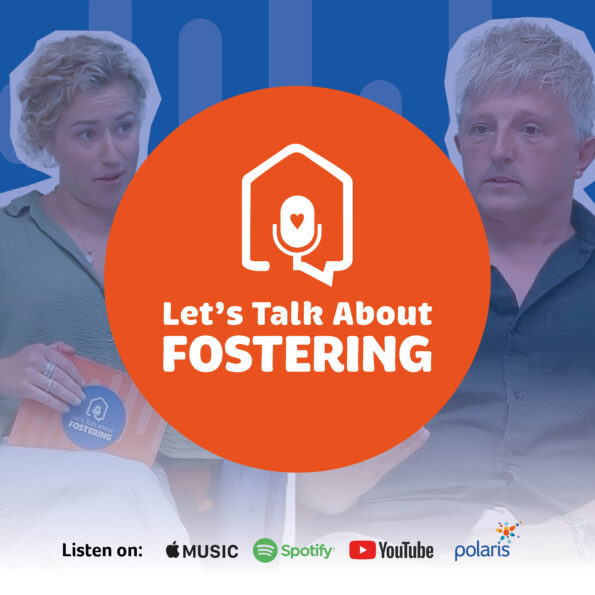
One of the most powerful ways we are celebrating Foster Care Fortnight this year is through our “Let’s Talk About Fostering” podcast.
This series brings together voices from across our wider fostering community, including foster parents, professionals, and young people – all sharing their honest and real-life experiences of fostering.
Each episode explores what fostering really looks like behind the scenes. It highlights the highs and the challenges, unpacks common myths, and offers practical insight for anyone curious about fostering or already on their journey.
Most importantly, it gives space to diverse stories – because fostering is not one story, but many.

Download information pack
If you’re interested in fostering, then download our information pack to discover everything you need to know about becoming a foster parent with ISP.
Have you been inspired by the Foster Care Fortnight 2026 campaign?
Read some of the frequently asked questions below…
What is fostering?
Around 78,000 children are living in foster care in England for many different reasons, including abuse and neglect. Foster carers provide these children with stable, loving homes for as long as needed. Sometimes, this may be a night or two in emergency circumstances, other times this may be several months or years, or up until their eighteenth birthday.
Unlike a child’s parent or legal guardian, foster carers don’t have legal responsibility for the children in their care, this remains with the parents and local authority. Foster carers, therefore, need to ask permission from the child’s social worker for a number of decisions, such as haircuts and holidays.
Fostering is often described as one of the most rewarding things you’ll ever do – giving children and young people, who haven’t been given the best start in life, the opportunity to thrive.
What types of children need fostering?
There are many different children who are living in foster care, including babies, toddlers, children and teenagers up to 18 years old, from a variety of ethnic and religious backgrounds, requiring different types of foster care placements. And while every child’s history is unique, the most common reasons that a child will come into foster care are due to neglect and abuse.
As a therapeutic fostering agency, we generally care for slightly older children and teenagers, who have more complex needs – often due to negative past experiences and trauma – and require specialist support and therapeutic services. Working with children with complex needs can often be challenging, but it’s also one of the most rewarding roles you’ll ever do.
What is the difference between fostering and adoption?
When a child is in foster care, the local authority and birth parents are legally responsible for them. This is often a temporary arrangement but can also be on a long-term basis.
Foster carers receive a weekly allowance to cover the cost of the child in their care, while also providing them with a professional fee for their hard work and dedication. Foster parents may need to seek permission for various decisions, such as haircuts and holidays, and often, will need to coordinate contact with birth family.
Adoption is permanent and the adoptive parent has full legal responsibility for the child.
What is the process of becoming a foster parent?
The process to become a foster carer generally takes around 4-6 months.
Here are the steps you’ll take to become an ISP foster carer:
- Take your first step – simply complete our online enquiry form or give us a call on 0800 0857 989.
- Initial call – we’ll give you a call, so you can learn more about fostering, the children we work with and the wrap around support we provide to our foster parents, plus answer any of your questions. If you’re ready to move forward, we’ll ask you a few questions and arrange a home visit.
- Home visit – one of our team will visit you at home, where we’ll spend more time getting to know you and vice versa. The visits tend to last between 1-2 hours and are a fantastic opportunity for you to find out everything you need to know to decide whether fostering is right for you. These can also be completed virtually via a video call.
- Apply to foster – you’ll need to complete an application form to be considered to become a foster carer. If successful, you’ll be allocated an independent assessing social worker, who start your fostering assessment.
- Assessment and training – your fostering assessment will include a series of social work visits with an independent assessor and various background checks, including a full DBS and local authority checks. You’ll also attend our preparatory foster carer training course.
- Panel – once your fostering assessment report is complete, you’ll be invited to a fostering panel. This is where an independent group of individuals from various backgrounds, including social work, education and care experienced young people, will make a recommendation on your suitability to foster.
- Approval – the recommendation from panel will be reviewed by our decision maker, who will make a final decision on your approval. You’ll receive the final decision within 10 working days of panel.
- Expert matching – once approved, you’ll be introduced to our dedicated referrals team, who will get to know you and learn about your experience and preferences, so they can expertly match you with children.
Who can apply to become a foster parent?
We welcome individuals from all walks of life to join our team of foster parents. You can be:
- Male or female;
- Single, married, divorced, co-habiting;
- Straight, gay, bisexual or transgender;
- From any ethnic group or religion;
- Any age over 21 – so long as you’re fit and healthy, and able to meet the needs of a child in care.
Of course, you’ll need to meet the initial criteria to foster, which are that you’re over 21 years old, have the legal right to work in the UK and have a spare bedroom that’s always available for a child in care.
Speak to our team today
Whether you’re looking for more information or you’re ready to apply, we’re here to help you on your journey.
Enquiry Form
The company takes the requirements of GDPR seriously in ensuring the privacy and lawful processing of personal data provided to us by you. Please view our privacy notice which explains how the company will manage and use your personal data. This site is protected by reCAPTCHA and the Google Privacy Policy and Terms of Service apply.